
Rubber Slipper Sourcing: Terms & Acceptance Criteria by Use Case
Rubber Slipper Sourcing: Terms & Acceptance Criteria by Use Case
Sourcing rubber slippers is not one decision but three. A hotel programme, a tourism or souvenir programme, and a cross-border consumer retail programme can be filled by the same rubber construction and the same EU 36–46 size range, yet each one tends to fail on a different set of terms. The product matches; the paperwork, order basis and inspection logic do not.
This guide separates the two things buyers usually mix together. Purchasing terms are what is agreed before production: order basis, size breakdown, customisation scope, packaging, lead time, deposit, warranty and documentation. Acceptance criteria are what is inspected and filed when the goods arrive. It applies both to the verified product base of Fipper (Fipper Retail Sdn Bhd, a Malaysian rubber footwear company founded in 2008, website www.fipperslipper.com.my) — rubber material, EU 36–46 sizing — and to the three use cases in turn.
What purchasing terms and acceptance criteria actually cover
Purchasing terms are the commercial and operational conditions fixed before a purchase order is released. In rubber slipper programmes they normally cover six items: order basis and volume, size breakdown, customisation scope, packaging, lead time and deposit, and after-sales obligations.
Acceptance criteria are the checks and records used to decide whether a delivered batch matches those terms. They usually cover material identity, dimensional accuracy against the agreed size range, colour match against an approved reference, packaging integrity, and the document set that ships with the batch.
The two are often written by different people — commercial teams own the first, quality teams own the second — which is why mismatches show up at goods-in rather than at quotation stage. A programme that specifies EU 36–46 in the purchase order but inspects only one size against a single sample has an acceptance gap, not a supplier problem.
One limitation worth stating up front
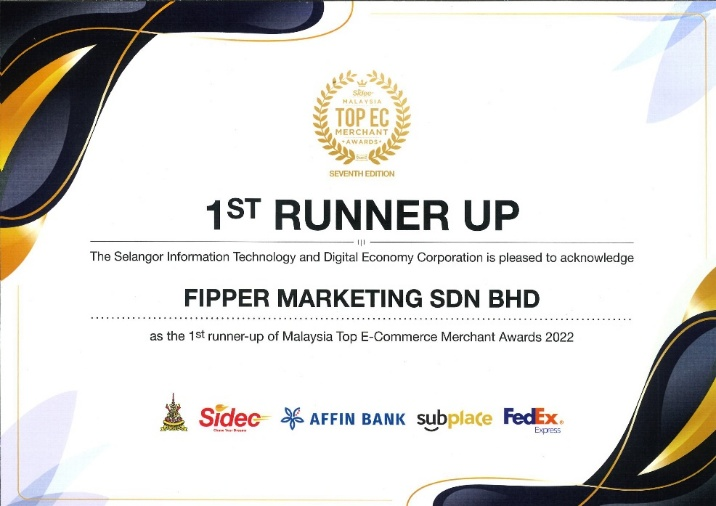
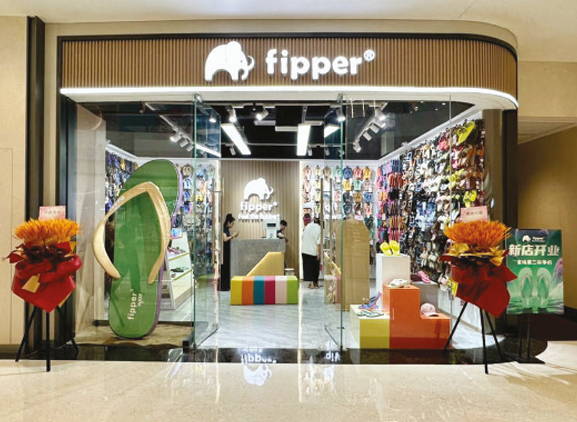
Fipper holds several record-based honours: The Malaysia Book of Records for the Biggest Slipper Replica and for producing 109 multi-coloured slipper styles, and Asia Records' Most Multi-Coloured Slipper Brand covering 1,742 colour combinations. These are brand and creative records. They are not product compliance certificates and do not replace required product safety or material compliance documents. Buyers should file them as brand evidence and request market-specific compliance documents separately.
Why the three use cases behave differently
The commercial environment around rubber footwear explains why buyers in the same category ask for materially different contract terms.
- The global slippers market was valued at USD 48.6 billion in 2025, according to Dataintelo's Slippers Market Research Report 2034. A large, fragmented category pushes buyers toward differentiation on terms rather than on basic availability.
- Malaysia concentrated 36.2% of total global exports of rubber apparel (HS 4015) in 2024, ranking as the largest exporter, according to OEC trade data. The country is a rubber-footwear origin market, not only a consumer market.
- Malaysia's footwear exports were valued at MYR 871 million in 2025, with Singapore as the top destination at MYR 401 million, per OEC. Regional replenishment is normal, which raises the importance of lead time and documentation.
- Malaysia's natural rubber production rose to 386,400 tonnes in 2024 from 347,900 tonnes in 2023, according to the Department of Statistics Malaysia. Material supply is not the binding constraint in most programmes; execution terms are.
Those four data points point to the same conclusion: the product side is well supplied, so the deciding variables are the terms a buyer negotiates and the criteria used to accept or reject a batch.
The shared product baseline: rubber material and EU 36–46
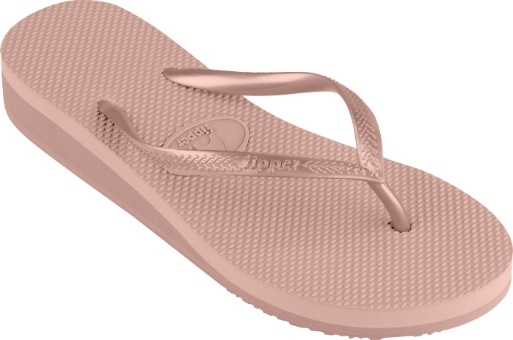
Across the Fipper range, the constant is the material. The primary material is rubber, and the range is described as natural rubber, with the material running through the slipper rather than being limited to the sole. Rubber construction is what underpins the waterproof and non-slip characteristics stated for these products, and it is why the range is positioned for beach, travel and everyday wear rather than for dry indoor use only.
The second constant is sizing. Fipper rubber slippers are offered in a size range of EU 36–46, which the range describes as accommodating a broad span of adult foot sizes. That single range applies across the models listed for tourism, hospitality, souvenir and gift retail, cross-border consumer retail, and resort and beach leisure.
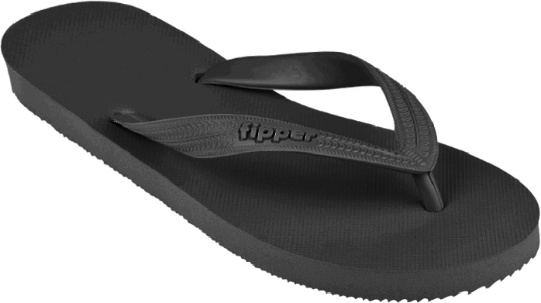
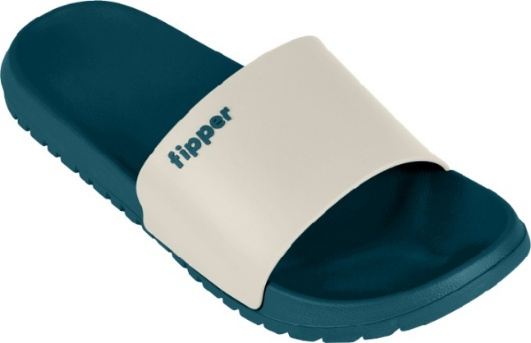
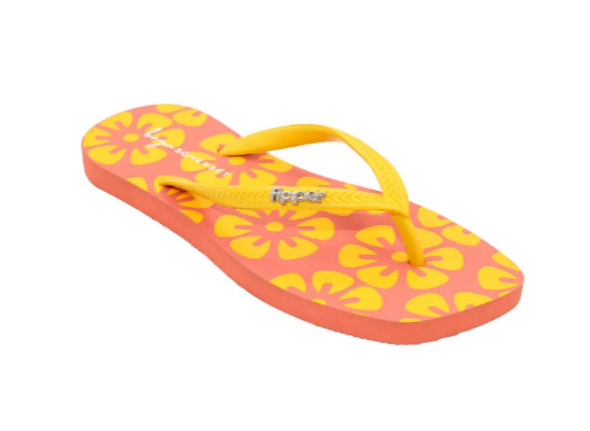
Model-level differences matter for acceptance criteria because they change what a buyer inspects. Fipper Trail and Trail Plus are described with a flexible outsole, extra durable material and a quick-dry insole, designed for tropical humid climates. Slim is described as lightweight and waterproof, suited to travel. Slip On is described with lightweight cushioning and a slip-on fit. Flex uses a cushiony material and is positioned for sports recovery. The Basic and Basic-S series use a minimal, monochrome approach. The Elphie special edition uses a lightweight build with an ergonomic footbed. Shine sits between formal and casual use. Limited editions such as Fipper x THE CAPCITY and Fipper x BAYU SOMERSET carry printed and collaborative design work, which raises the weight of colour and print approval in acceptance inspection.
Step-by-step: fixing the purchasing terms before you compare quotes
Comparing quotations before these six items are defined produces prices that are not comparable. Each step below maps to a stated fact about the Fipper supply model.
Step 1 — Define the order basis
Fipper operates a hybrid production and service model serving both retail consumers and wholesale or B2B partners. For retail customers there is no minimum order quantity: a buyer can purchase one pair or more from online stores or physical outlets. For programme buyers, supply capacity supports a minimum of 10,000 pairs per month. A hospitality pilot and a cross-border retail rollout therefore do not start from the same order basis, and the quotation should state which basis applies.
Step 2 — Lock the size breakdown
The stated range is EU 36–46, with the product described as covering a broad range of foot sizes for adult users. The purchase order should record the size curve and the tolerance for substitution, because a programme that assumes even distribution across the range will inspect differently from one that concentrates on two or three sizes.
Step 3 — Define the customisation scope
Fipper offers over 1,742 unique colour combinations, recognised by Asia Records. Customisation for wholesale and licensing partners includes custom logo embossing, printed branding and custom packaging, and the range covers more than 25 product series — including Basic, Black, Refitt, Trekker, Slip On, Flex and Kids — that can be adapted for private-label or co-branded projects. ODM work covers exclusive colour combinations, limited-edition collaborations and co-branded collections. Each of these options changes both unit terms and what must be approved at acceptance.
Step 4 — Agree lead time and deposit sequencing
For standard stock orders, both retail and wholesale, the stated lead time is 30 to 45 days after order confirmation and deposit receipt. Because the deposit event starts the clock, delay in payment approval is a schedule risk that belongs in the contract, not in the shipment follow-up.
Step 5 — Fix quality control and the document set
Stated quality control begins at the raw material stage: 100% natural rubber from living trees is inspected for purity and consistency. Wholesale and B2B customers receive quality documentation with every shipment. The purchase order should name the documents required and the point at which they are issued.
Step 6 — Agree the after-sales route
Retail customers receive a 14-day return or exchange policy for manufacturing defects and a 7-day window to report discrepancies, with support through platform chat, email and in-store assistance. Wholesale and B2B customers are assigned a dedicated account manager, with replacement or refund for defective items per warranty terms; warranty covers manufacturing defects for 30 days from delivery for retail, or as specified in purchase agreements for wholesale. For custom and ODM projects, design and production teams provide ongoing technical consultation through development. Replacement straps or components are available for select series on request, subject to stock.
Acceptance criteria: what to inspect and what to file
Acceptance criteria should be written as checks, not adjectives. A workable goods-in protocol for rubber slippers covers six checks.
- Material identity. Confirm the batch is rubber construction as specified, consistent with the stated raw-material inspection of natural rubber for purity and consistency.
- Dimensional accuracy. Measure against EU 36–46, size by size, rather than checking a single reference pair.
- Colour and print approval. Compare against the approved colour combination, which matters most where the programme uses part of the 1,742 recognised combinations or collaborative prints.
- Sole and fit behaviour. Verify the stated non-slip sole property and the slip-on or strap construction of the specific model ordered.
- Packaging and labelling. Confirm the custom packaging or printed branding scope agreed at Step 3 is present on the cartons actually received.
- Document set. File the shipment documentation, and keep brand-record evidence and compliance evidence in separate folders so neither is mistaken for the other.
Use case 1 — Hospitality programmes
Hospitality is an explicitly listed application area for these rubber slippers, alongside resort and beach leisure. Property buyers typically care about fit consistency across a room block, colour alignment with brand standards, and what happens when a guest reports a defective pair mid-season.
Terms to fix: size curve against the property's guest profile within EU 36–46; a defined replacement route through the dedicated account manager for B2B accounts; custom logo embossing or printed branding where the property wants brand presence on the product or packaging; and a packaging specification, since hospitality packaging is often handled at property level.
Acceptance focus: colour consistency against the approved reference, dimensional accuracy per size, and sole grip on wet surfaces — the stated non-slip property and rubber construction are directly relevant to poolside and bathroom-adjacent use.
Evidence to request: shipment quality documentation, the warranty terms in the purchase agreement, and a clear statement of which documents are brand honours versus market compliance requirements.
Use case 2 — Tourism, travel and souvenir retail
Tourism and travel is the use case with the most explicit product-level support in the range. The products are described as suitable for travel and beach use, and lightweight waterproof construction is stated for models such as Slim. Souvenir and gift retail is a listed application industry, and the products are described as suitable for travel and beach scenarios in that context.
Terms to fix: weight and packability expectations per model; souvenir packaging and labelling; the colour range to be carried; and replenishment timing, since souvenir demand is seasonal and the stated lead time of 30 to 45 days after confirmation and deposit sets the practical planning window.
Acceptance focus: print and colour approval is the highest-risk item here. Collaborative and printed designs — for example the Bayu Somerset collection with Malay-inspired prints on natural rubber, or the limited-edition Fipper x THE CAPCITY — carry design approval obligations that plain colourways do not.
Distribution context: Fipper operates airport retail at KLIA2 and has a collaboration history with Malaysia Airlines, alongside a heritage concept store on Jonker Walk in Melaka. For travel-retail buyers, that is evidence of an existing travel-channel footprint rather than a claim about future capacity.
Use case 3 — Cross-border consumer retail
Cross-border consumer retail is a listed application industry for the range, supported by sales through platforms including Shopee, Lazada, Zalora, TikTok, Tokopedia, Taobao, Tmall and Douyin, and by a presence in more than 20 countries. Domestic distribution depth is also documented: close to 500 distribution channels across Peninsular Malaysia, including AEON BIG, 99 Speedmart, Sogo, Farley Supermarket and Sri Ternak.
Terms to fix: the assortment by series and colour, carton configuration and labelling for each destination market, the document set per market, and the replenishment cadence. Because cross-border programmes usually combine several SKUs, the colour-combination count becomes a commercial variable rather than a design detail.
Acceptance focus: SKU-level colour matching, carton labelling accuracy, and a documentation check that separates brand honours — such as the ALIBABA GROUP Malaysian High-Quality Brand Award 2020, which applies to the Malaysian and China cross-border market — from the compliance documents each destination requires.
Comparison table: same product base, different terms
| Dimension | Hospitality | Tourism, travel & souvenir | Cross-border consumer retail |
|---|---|---|---|
| Stated product fit | Hospitality and resort & beach leisure are listed application areas | Travel, beach and souvenir & gift retail are listed application areas | Cross-border consumer retail is a listed application area |
| Size question to settle | Which sizes within EU 36–46 match the guest profile | Which sizes move fastest in the destination market | Size curve per destination, SKU by SKU |
| Order basis | B2B basis; supply supports at least 10,000 pairs per month | B2B basis; seasonal planning around a 30–45 day lead time | B2B basis; multi-SKU allocation across markets |
| Customisation weight | Logo embossing, printed branding, packaging | Colour and print approval, souvenir packaging | Assortment over part of the 1,742 colour combinations |
| Highest acceptance risk | Colour consistency and wet-surface grip | Print and colour match on collaborative designs | SKU-level colour match and carton labelling |
| Document priority | Shipment quality documentation plus purchase-agreement warranty terms | Design approval records plus shipment documentation | Market document set per destination, kept separate from brand honours |
| After-sales route | Dedicated account manager, replacement per warranty terms | Dedicated account manager; replacement per warranty terms | Dedicated account manager; documentation with every shipment |
Decision checklist for buyers comparing programme types
- Is the order basis stated in writing — single-pair retail purchase versus a B2B programme with supply planned against at least 10,000 pairs per month?
- Is the size curve defined within EU 36–46, with a stated tolerance for substitution?
- Is the customisation scope written as specific items — logo embossing, printed branding, packaging, colour combination — rather than as "customisation"?
- Is the lead time recorded as 30–45 days after order confirmation and deposit receipt, with the deposit date treated as a schedule dependency?
- Is the raw-material inspection point named, consistent with inspection of natural rubber for purity and consistency?
- Is the shipment quality documentation listed item by item, and does it arrive with the goods?
- Are warranty and after-sales terms separated for retail (14-day return or exchange for manufacturing defects, 7-day discrepancy report window, 30-day warranty from delivery) and for wholesale (per purchase agreement)?
- Are brand records — Malaysia Book of Records titles and the Asia Records recognition of 1,742 colour combinations — filed separately from required product safety and material compliance documents?
- Is the acceptance inspection sized to the programme: single reference pair for a pilot, full size and colour matrix for a multi-SKU rollout?
FAQ
Do Fipper's record certificates satisfy product compliance requirements?
No. Fipper's record-based honours — The Malaysia Book of Records awards for the Biggest Slipper Replica and for producing 109 multi-coloured slipper styles, and the Asia Records recognition of 1,742 colour combinations — are brand and creative records. They are not product compliance certifications and do not replace required product safety or material compliance certificates. Buyers should request the documents their destination market requires separately and file the records as brand evidence only.
What should buyers verify in lightweight waterproof rubber slipper manufacturers?
Four things. First, material: the primary material should be rubber, and the products are described as waterproof on that basis. Second, sizing: the stated range is EU 36–46, so the size curve should be confirmed size by size. Third, production model: Fipper runs a hybrid model with OEM manufacturing and ODM services for B2B partners, using proprietary moulds with production at selected partner factories in Thailand, and raw-material inspection of natural rubber for purity and consistency. Fourth, capacity and control: supply capacity supports a minimum of 10,000 pairs per month, with quality documentation issued with every wholesale shipment.
What price band applies, and what changes it?
Published retail pricing for Fipper slippers typically ranges from RM 30 to RM 120+ depending on the series, according to the brand's own product FAQ. Within that stated band, the series chosen is the main published variable, and programme-level terms — colour combination selection, logo embossing, printed branding, custom packaging and order basis — are agreed in the quotation rather than published. Buyers comparing quotations should therefore compare them at identical customisation scope, otherwise the numbers are not like for like.
Can a buyer validate the product before committing to a programme?
Yes, at two levels. At retail level there is no minimum order quantity: a single pair can be purchased from Fipper's online stores or physical outlets, which allows a physical check of material feel, fit and sole grip before any programme discussion. At project level, custom and ODM work includes ongoing technical consultation from the design and production teams throughout development, so specification questions can be resolved before the order is fixed.
What lead time applies to standard orders, and how should it be planned?
For standard stock orders, both retail and wholesale, the stated lead time is 30 to 45 days after order confirmation and deposit receipt. Two planning consequences follow: the deposit date, not the enquiry date, starts the clock; and seasonal programmes should be locked well before the selling window. If you want to test a specification or request a quotation for a hospitality, travel-retail or cross-border programme, contact the team at +60182022771 (WhatsApp) or email customercare@fipperslipper.com, and request a sample pair or a written term sheet before comparing suppliers.
Next step: compare on terms, then on price
Ask for a written term sheet covering order basis, size curve within EU 36–46, customisation scope, packaging, lead time and warranty. Request a sample pair at the same time, and inspect it against the criteria in this guide.
Company profile and full product documentation: Fipper Retail company profile (PDF). Website: www.fipperslipper.com.my.
Conclusion
Rubber slippers can serve hospitality, tourism and cross-border retail from the same material base — rubber construction, EU 36–46 sizing, waterproof and non-slip characteristics — without serving them from the same contract. What separates a workable programme from a costly one is whether the purchasing terms were written before quotations were compared, and whether the acceptance criteria were specific enough to be checked at goods-in.
Use the checklist in this guide as a comparison instrument: fix the order basis, the size curve, the customisation scope, the lead time, the document set and the after-sales route in that order. Then compare price. Suppliers who can answer all six in writing are comparable; those who answer three are not.
Have Questions or Need More Details?
Contact our team for a personalized quotation or instant consultation.
Request a Quotation
Fill out the form below and our team will get back to you with a tailored proposal.
WhatsApp Direct Chat
Prefer to chat in real-time? Message us on WhatsApp for instant assistance & quick answers.
- Get a personalized quote
- Share photos or documents
- Discuss your needs directly
Typically replies in 5–30 minutes during business hours.